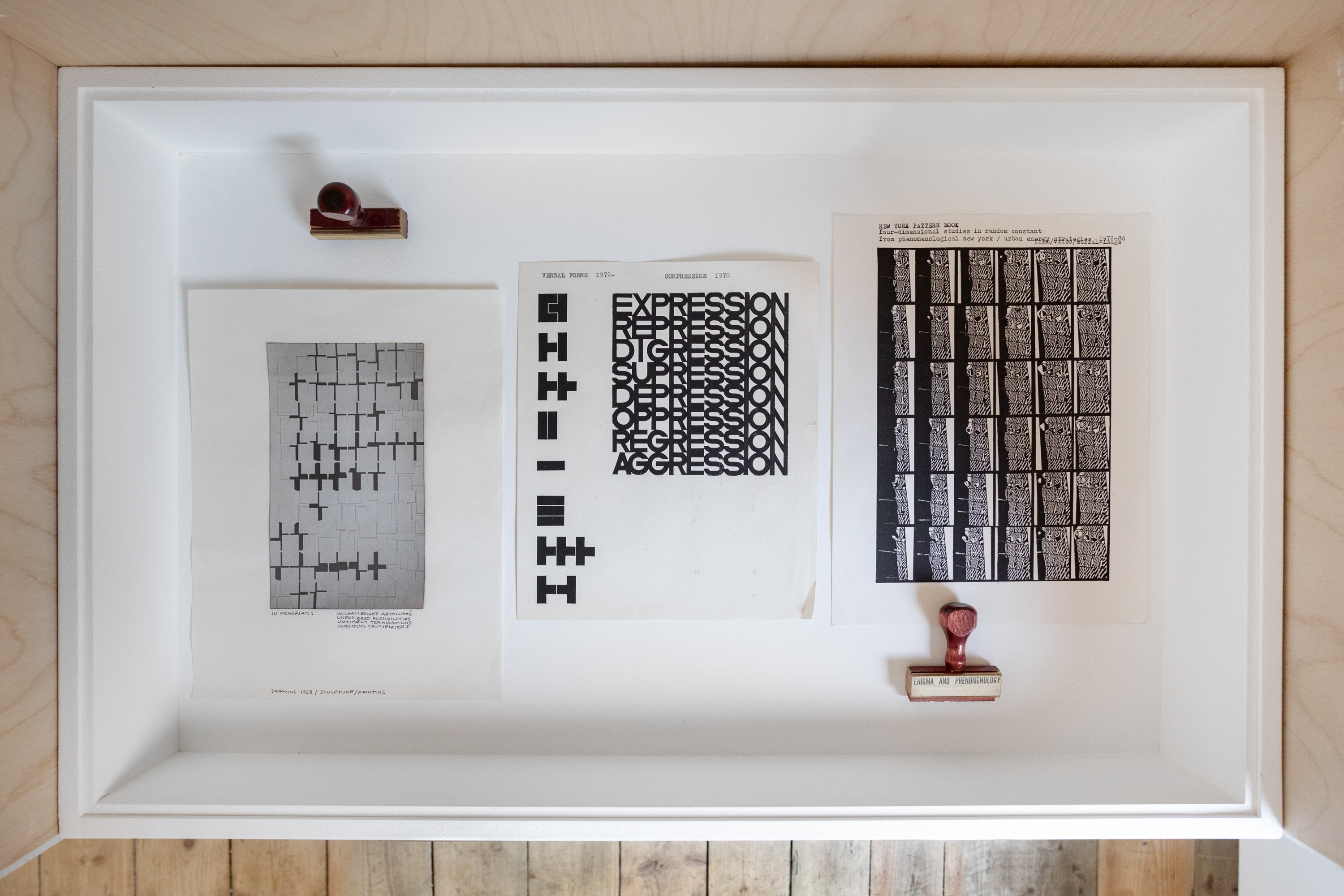
Allow me to emphasize that all mediums including photography and video and sculpture and painting and drawing and graphics are one and the same in form and content. Each contributes to the total whole of a substantive and universal dialogue in which the whole has a different meaning from that of the sum of its parts. – Bettina, 1989
‘Finite Structures’ comprises an interconnected set of sculptural, photographic and animated film works made across the 1970s by Bettina (1927–2021). Born in Brooklyn, Bettina was a conceptual artist who, after working as a designer and travelling between Europe and the United States during the 1950s and 1960s, lived and worked in New York’s Chelsea Hotel from 1972 until her death. Over several decades, she maintained a prolific practice that rejected the singular art object, developing a rich body of work encompassing photography, xerography, word art, film, computer-assisted animation, textiles, painting and sculpture.
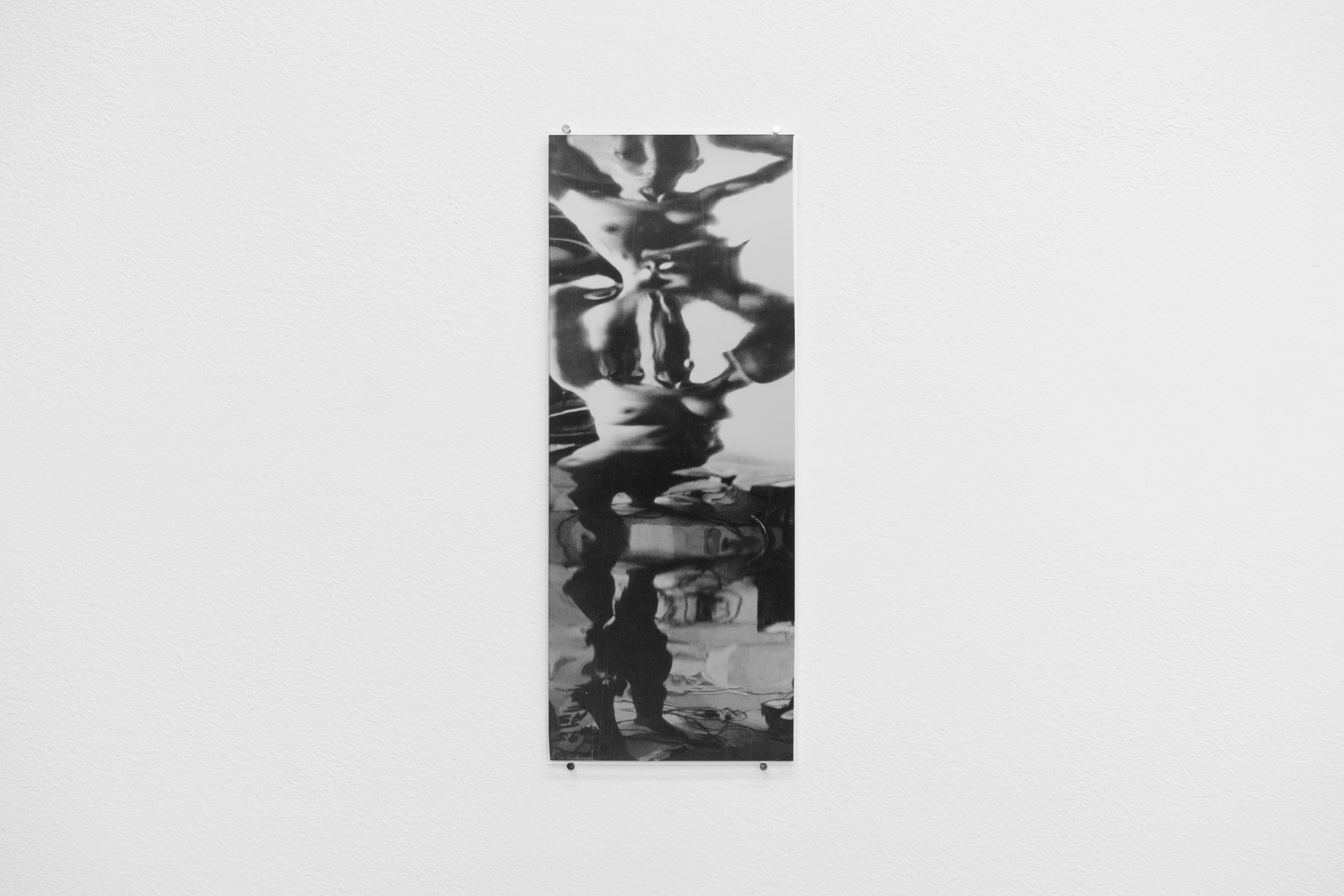
The exhibition explores the topological, political and philosophical concerns that underpinned the artist’s practice during the 1970s, engaging with themes of surface, rhythm, distortion, surrealism and bodies in motion as they manifested in New York City at that time. It includes works from two photographic series: Phenomenological New York (1970s) and Rencontres psychic (1970s).
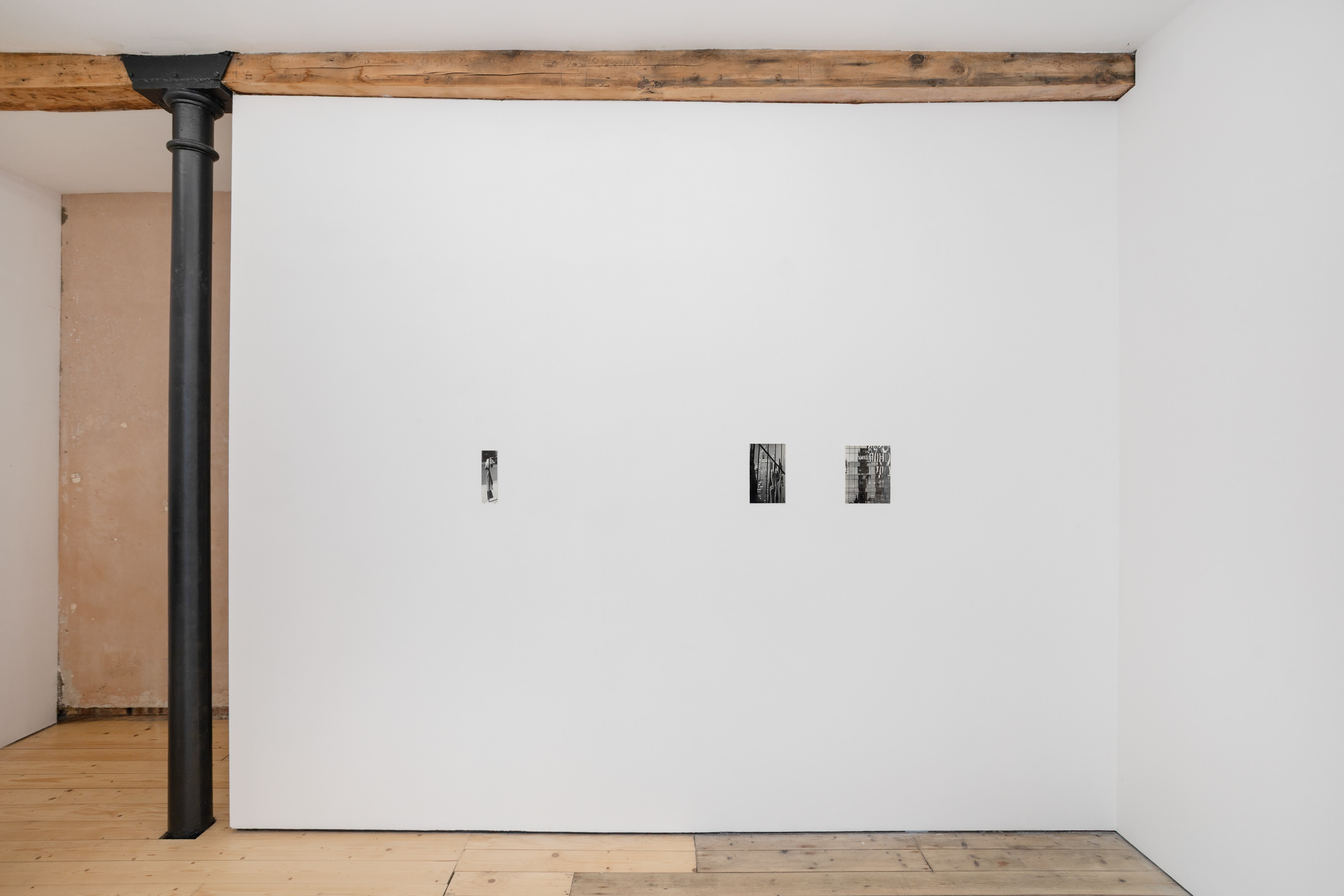
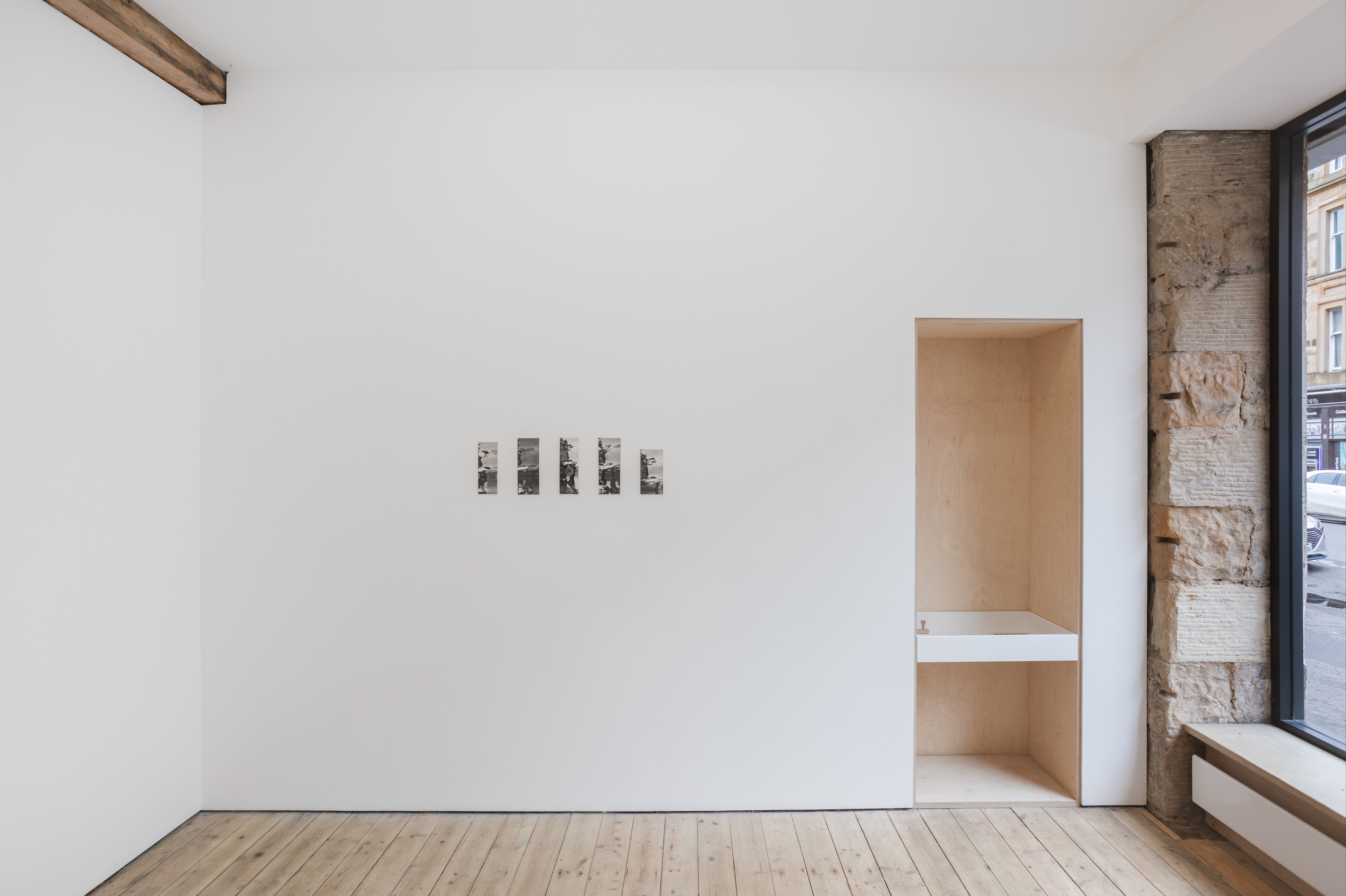
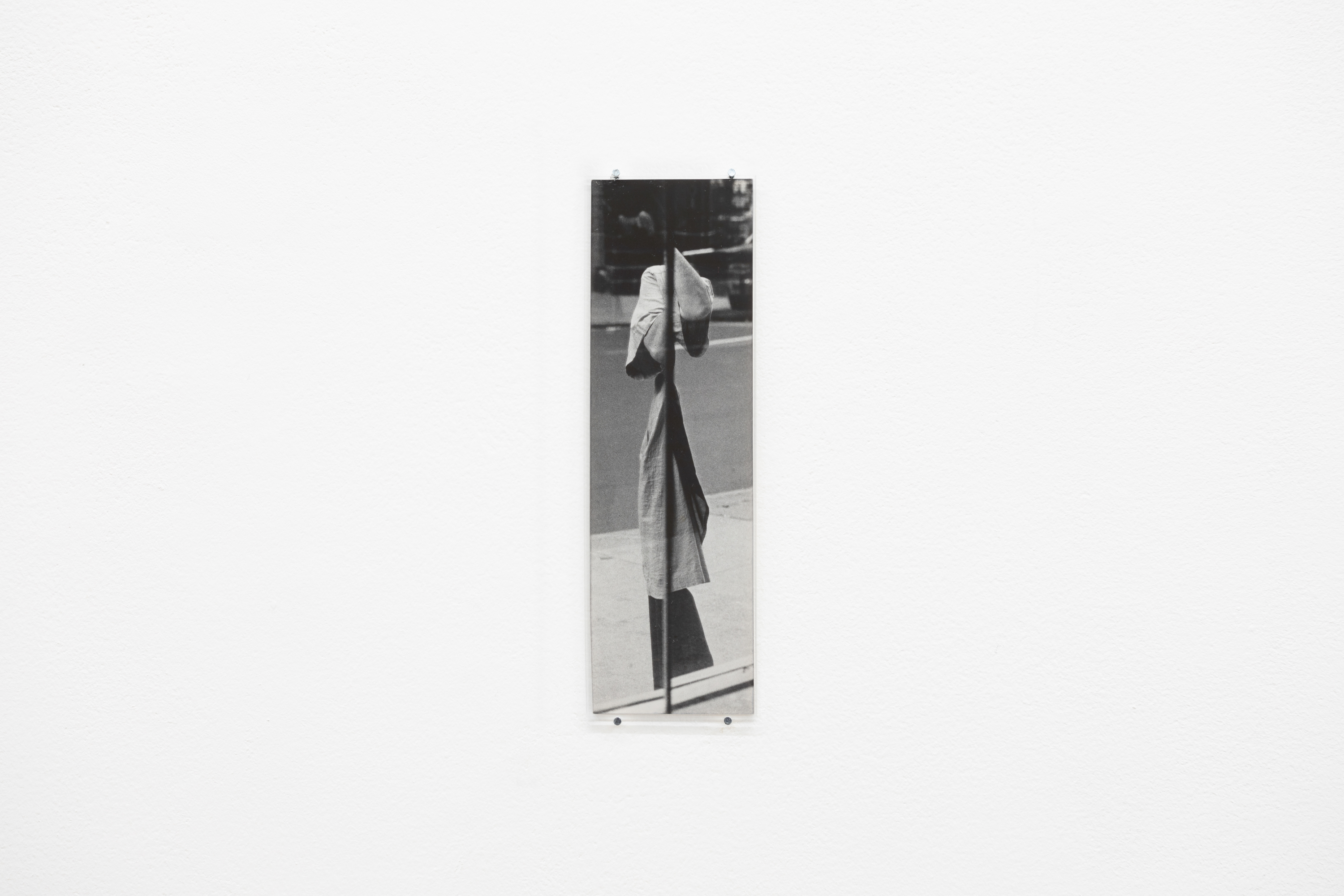
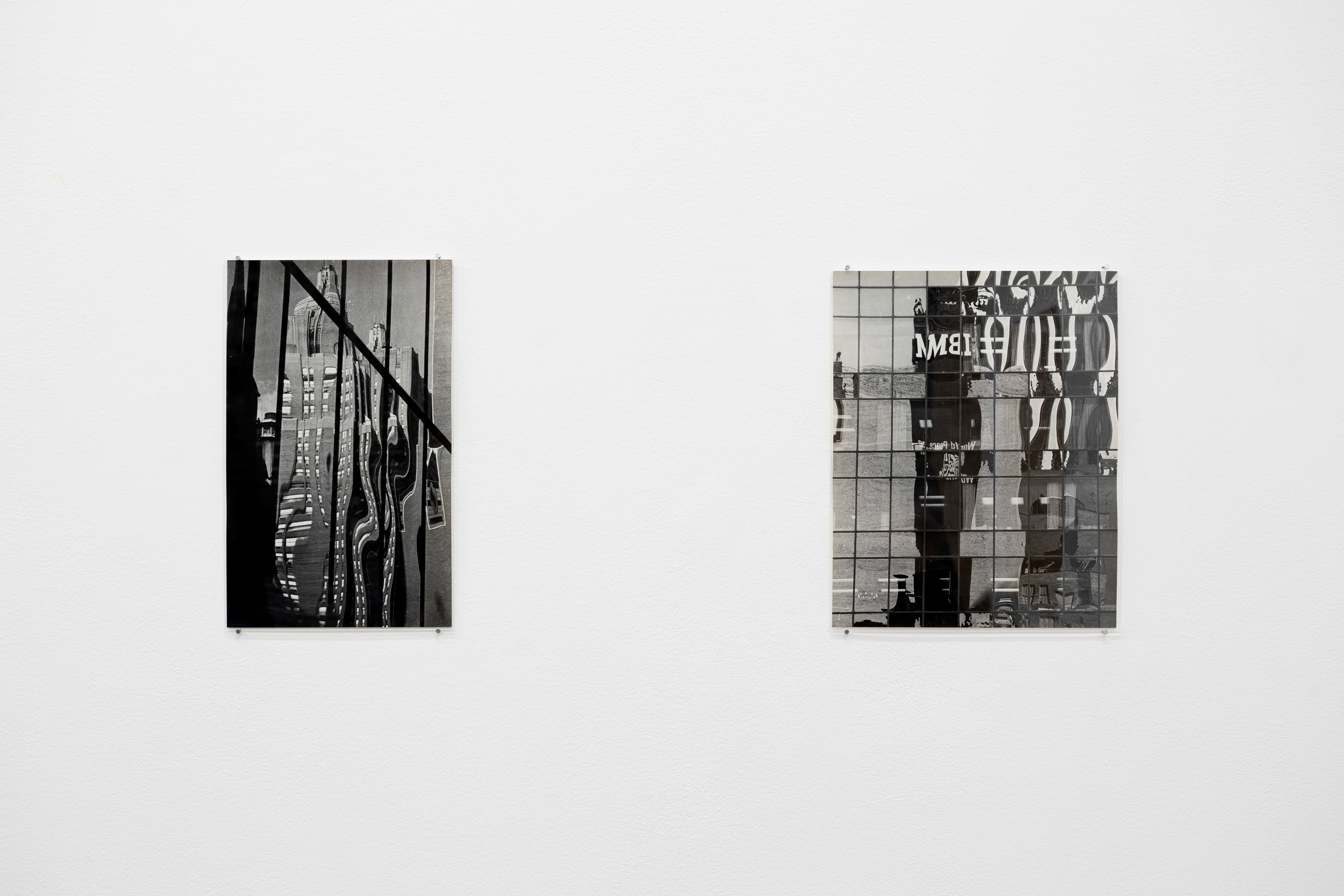
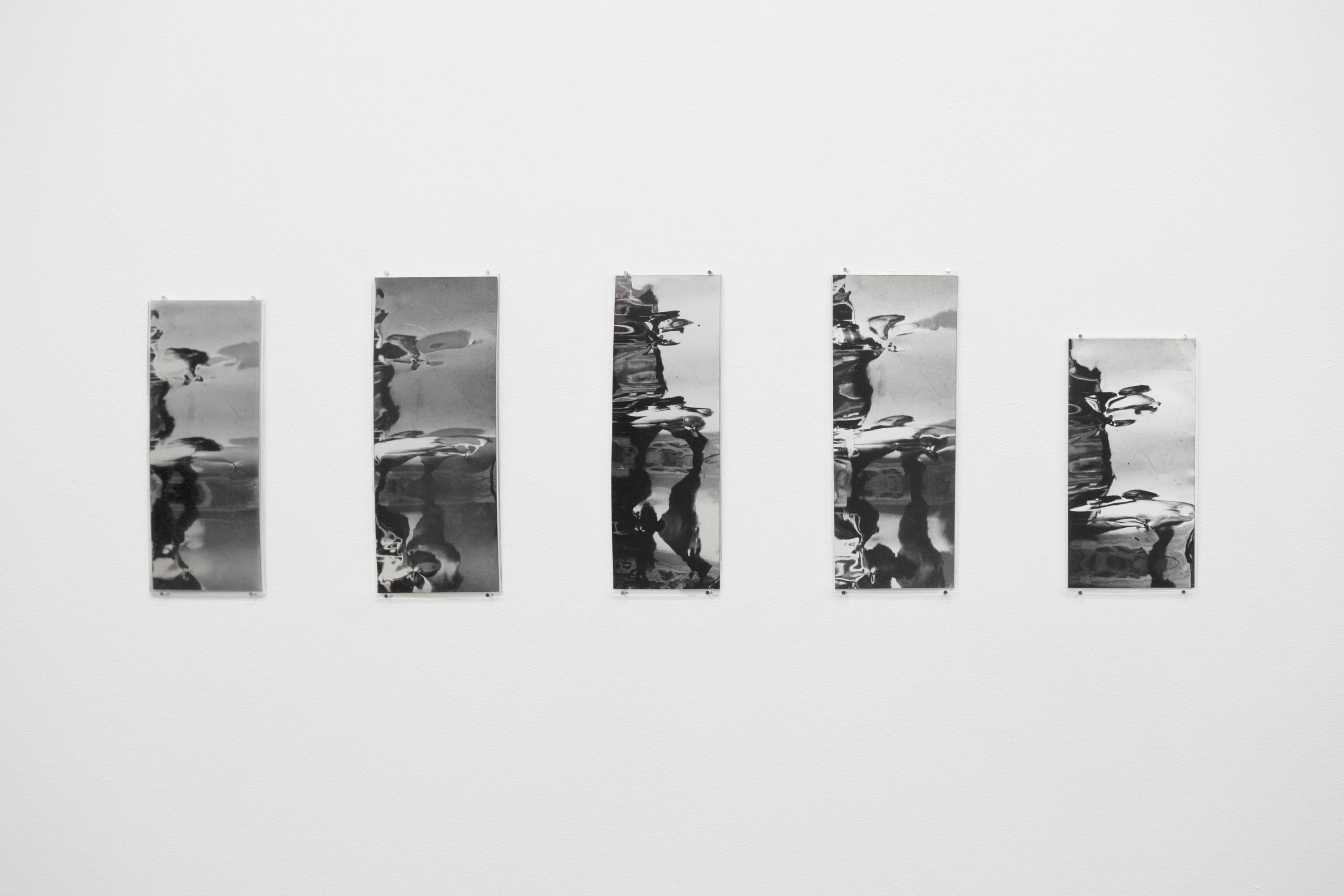
In Phenomenological New York, Bettina captures a distorted and changing urban space in the reflective glass windows of the skyscrapers that came to define the architecture of finance capitalism. Rencontres psychic, a series of self-portraits from the same era, was shot in her bathroom, which also served as a darkroom. The intense verticality of the images, replete with wavering bodily lines, recalls the rippling forms of the reflected skyscrapers outside her window. The two series are united by a self-portrait of Bettina in the street, her body captured in mirrored glass, bisected by a bar of steel, her identity hidden.
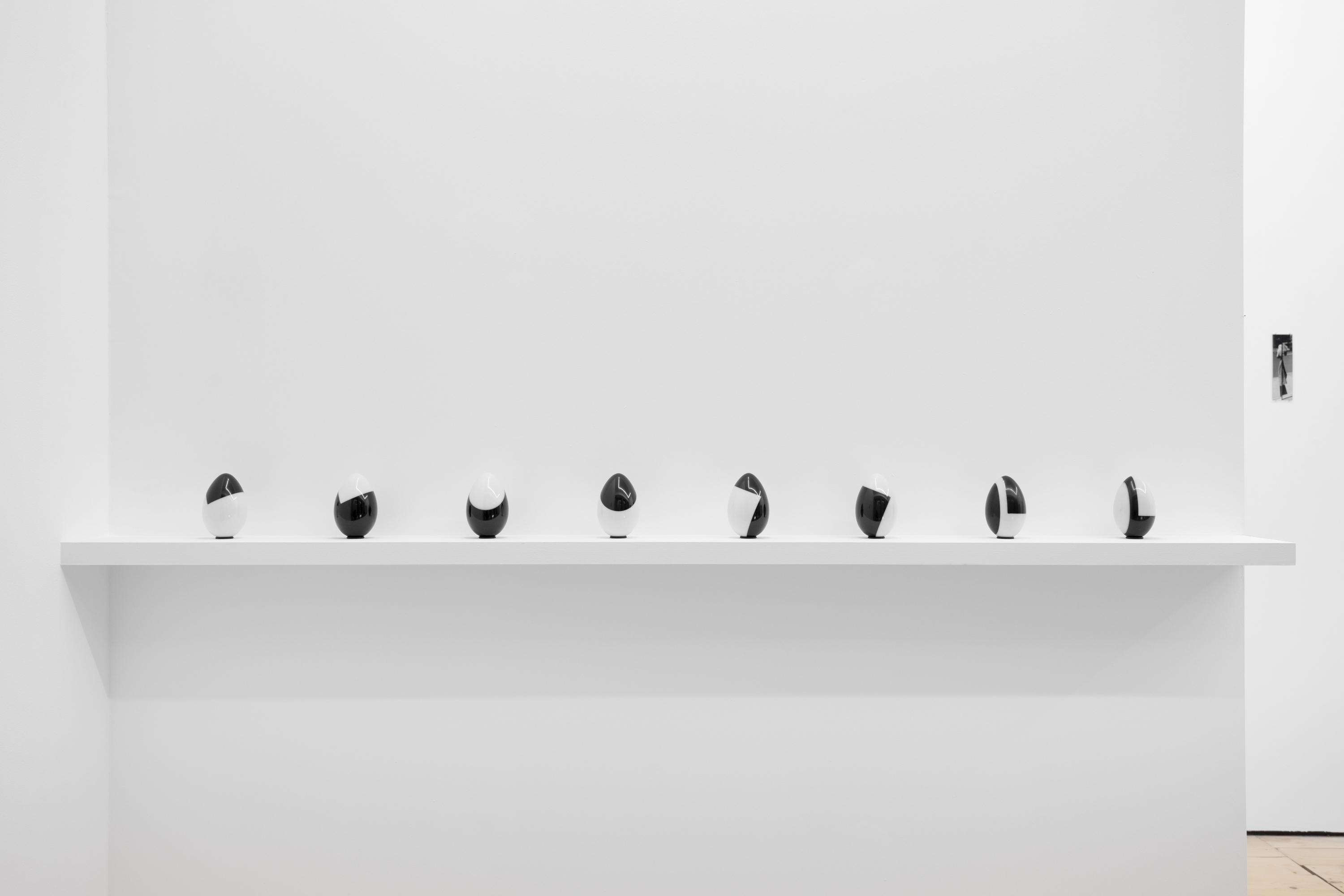
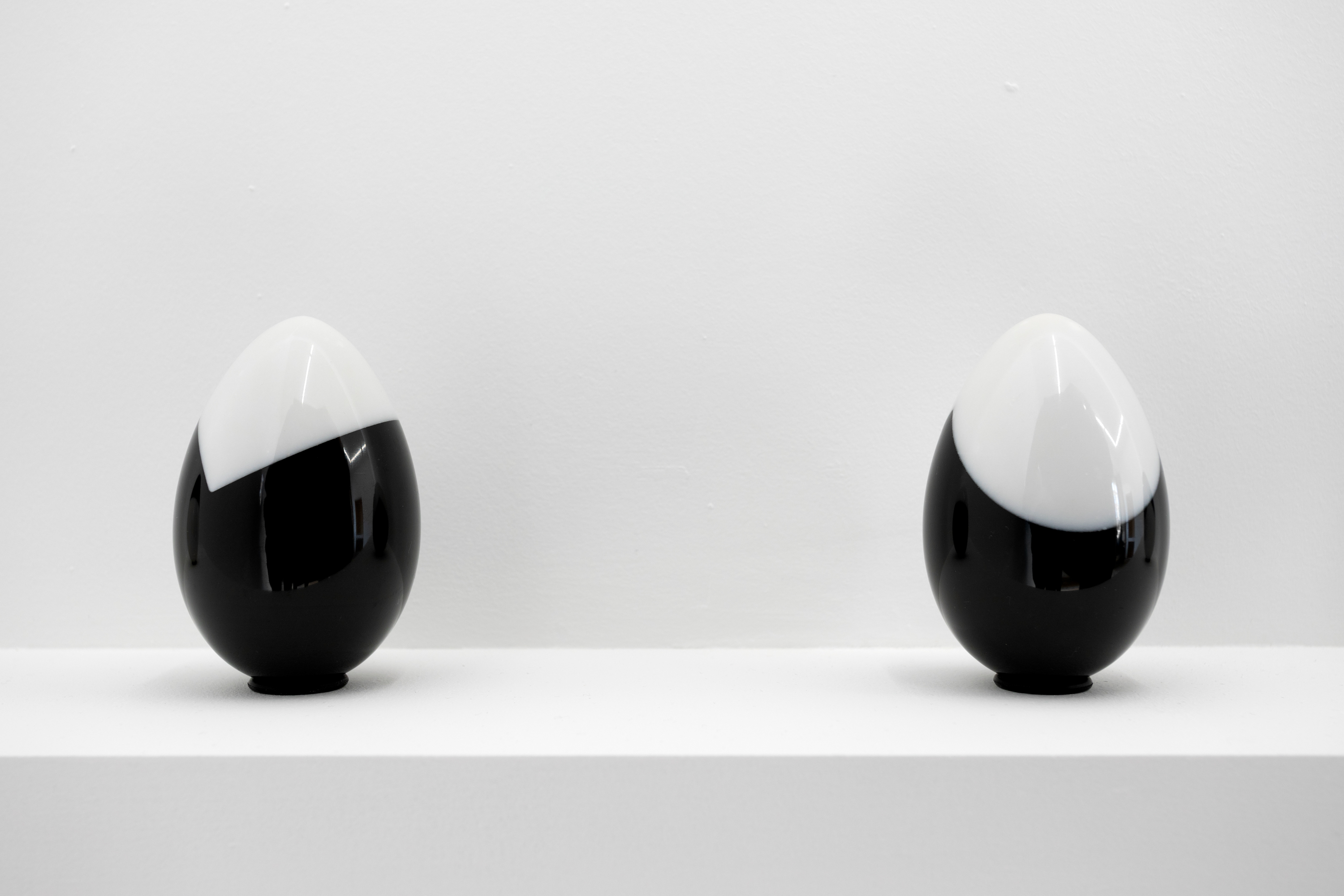
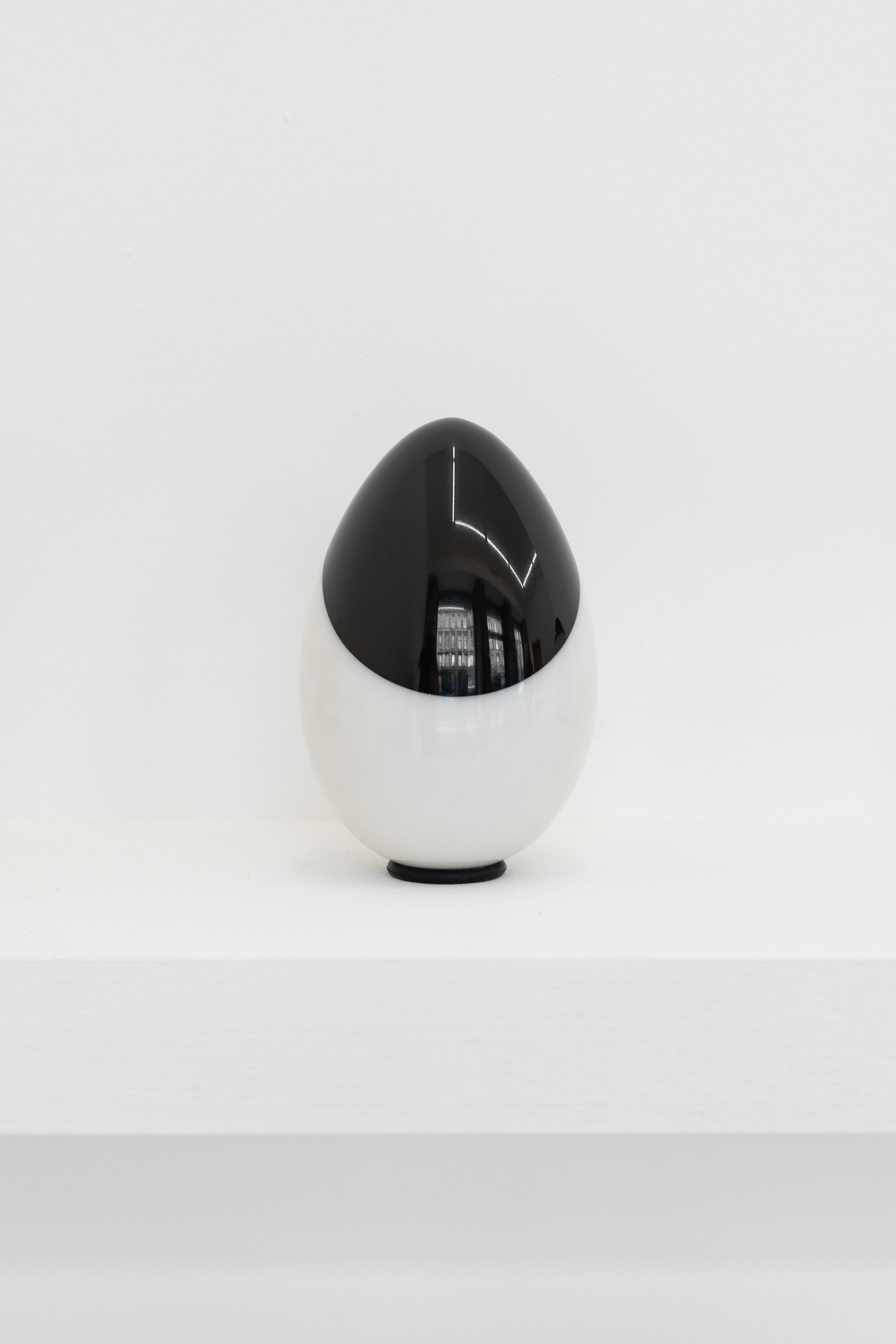
Bettina’s interests in light, perspective and mathematics, latent within these photographs, are investigated further in the marble sculptures Options for an Angle: 24 Inconstants from One Constant (1970). Conceived in pairs, each egg is cut at the same angle with the point of incision displaced slightly each time to produce new, monochromatic forms. The work was made during a fellowship in Carrara, Italy, which allowed Bettina to utilise industrial exactitude in pursuit of her Finite Structures series (1968–81). As she stated: ‘By using absolutes I have demonstrated that everything is relative.’
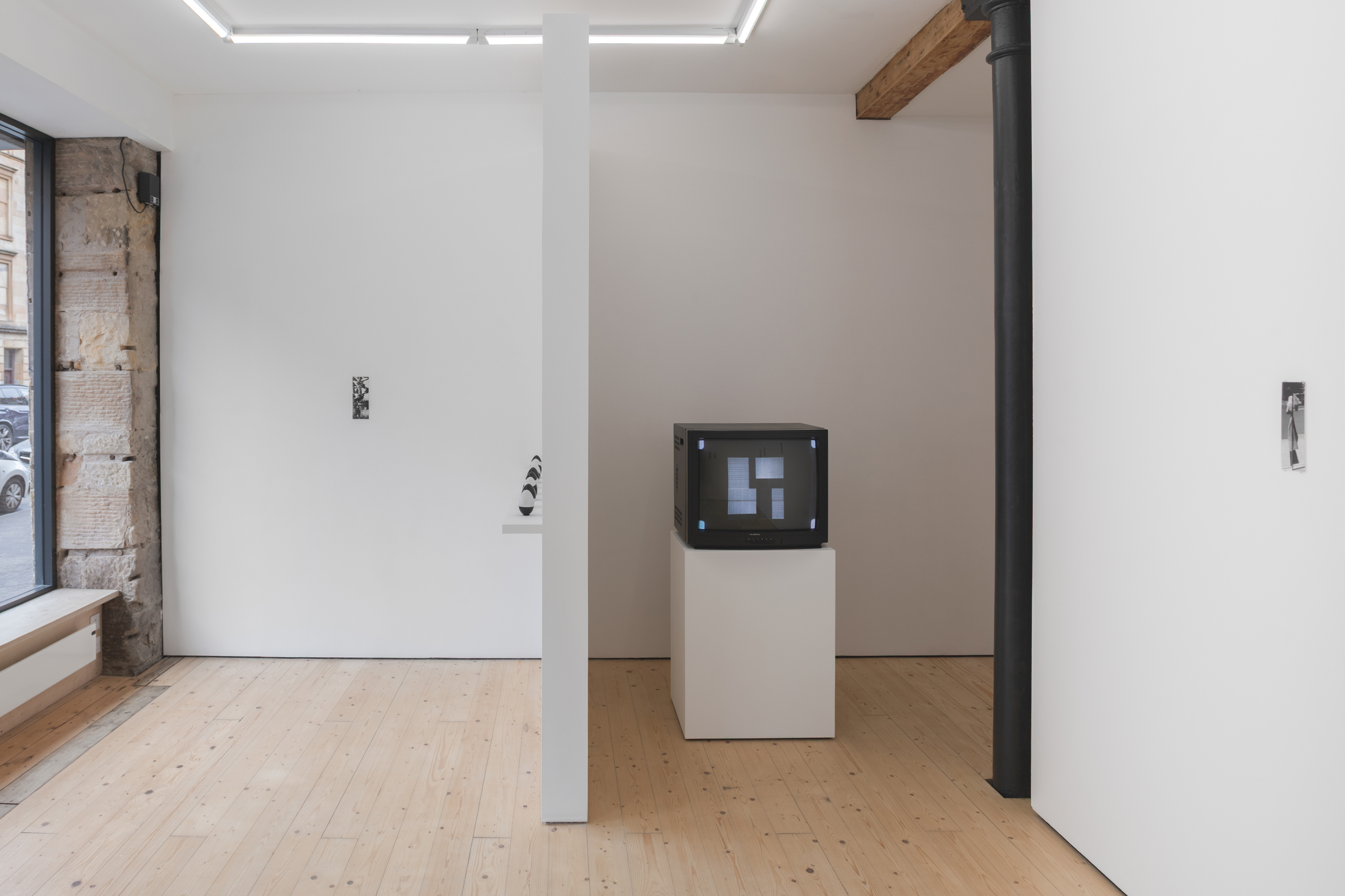
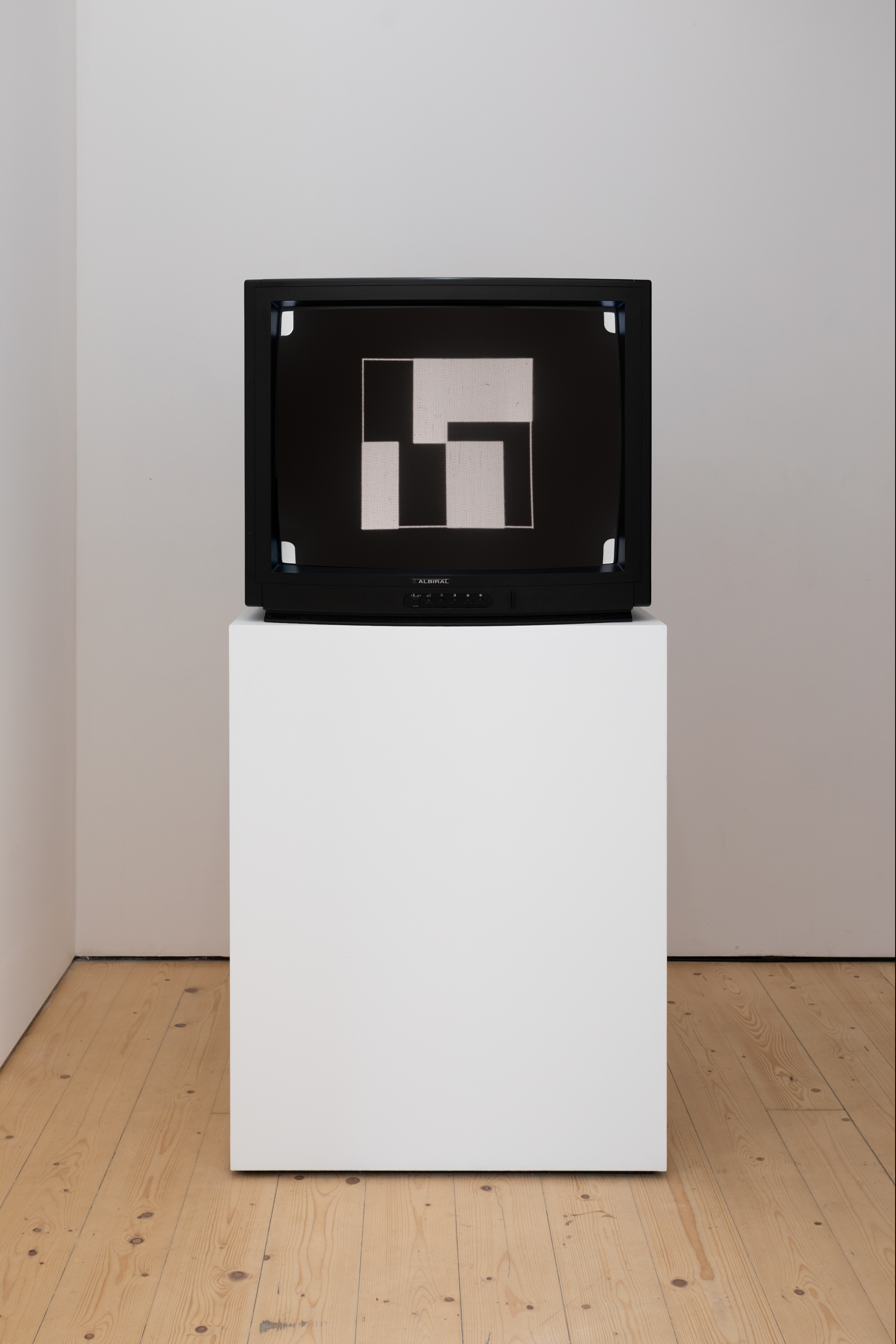
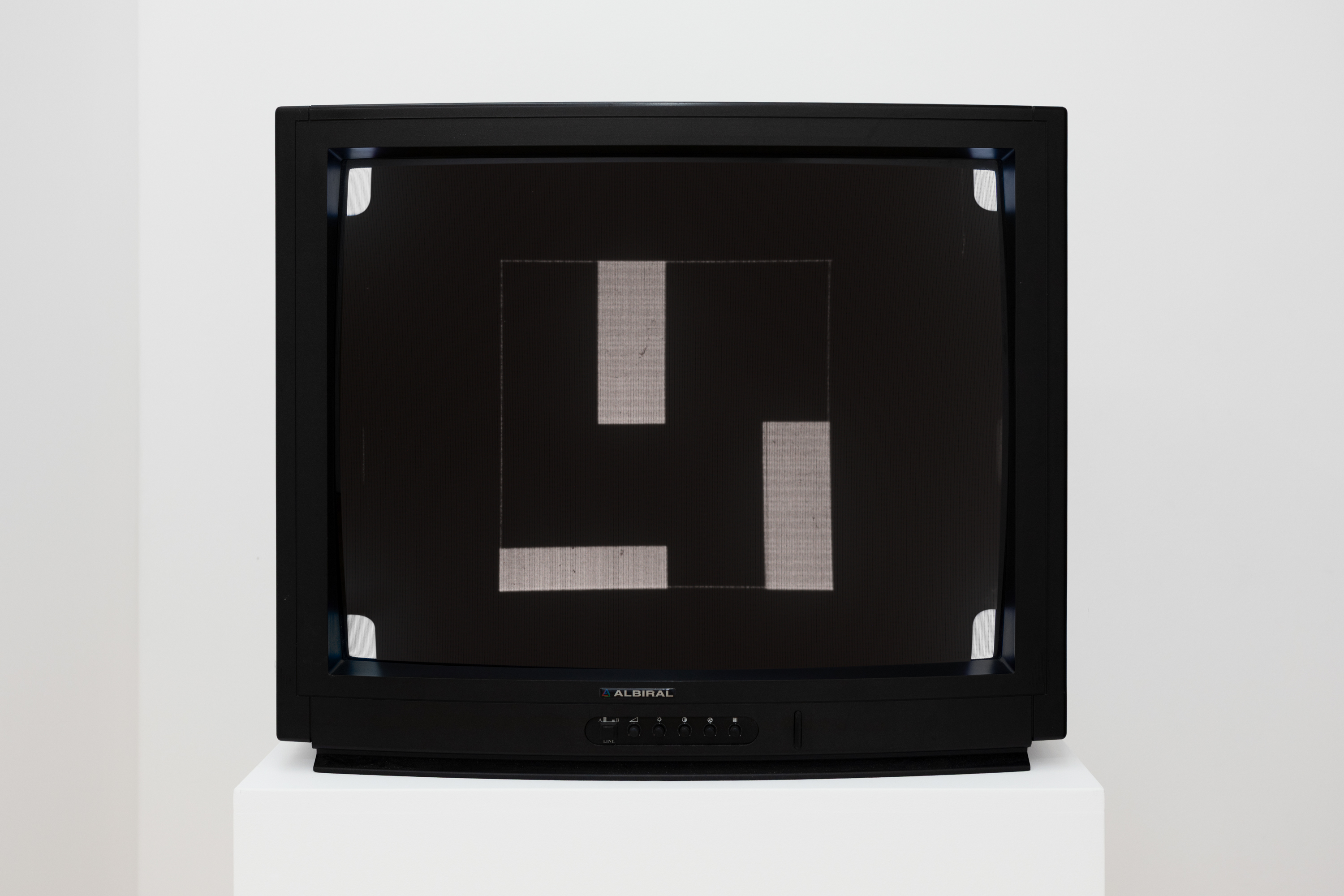
The absolutes come to life in a newly digitised film, also from the Finite Structures series: Random Penetration of Four Equal Constants by Eight Elements of Progressive Displacement (1975–76), shown here for the first time. The work was made with the assistance of physicist Robert W. Weinberg at Temple University,Philadelphia. Bettina’s vision of geometric movement within a square was programmed by Weinberg on a computer-controlled cathode-ray oscilloscope and captured on 8 mm film.
These ideas are explored in a new essay by Dr Esther Draycott that situates Bettina’s work in the era of its production. The essay is included in a publication that also documents key artworks and ephemera from the artist’s archive.
Produced as part of Glasgow International 2026.